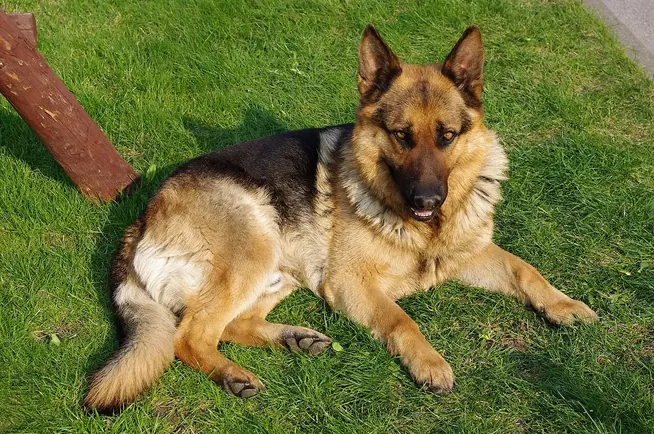

German Shepherd
German Shepherd at a Glance

 How much exercise?Over 2 hours a day
Long walks plus play.

 Do they shed?A lot
Brush more than once a week.

 Monthly cost?Around $152 a month
A rough estimate.
 Fine in an apartment?Can work
Apartment living scores 3 out of 5.
How Big Is a German Shepherd, and What Colors Do They Come In?
Black & Tan.
TallerA male German Shepherd's shoulders are 3 in above a bed.
| Adult size | ||
|---|---|---|
| Shoulder heightFloor to the top of the shoulders | 24–26 in | 22–24 in |
| WeightHealthy adult | 66–88 lb | 48–70 lb |
How Does a German Shepherd Change From Puppy to Adult?
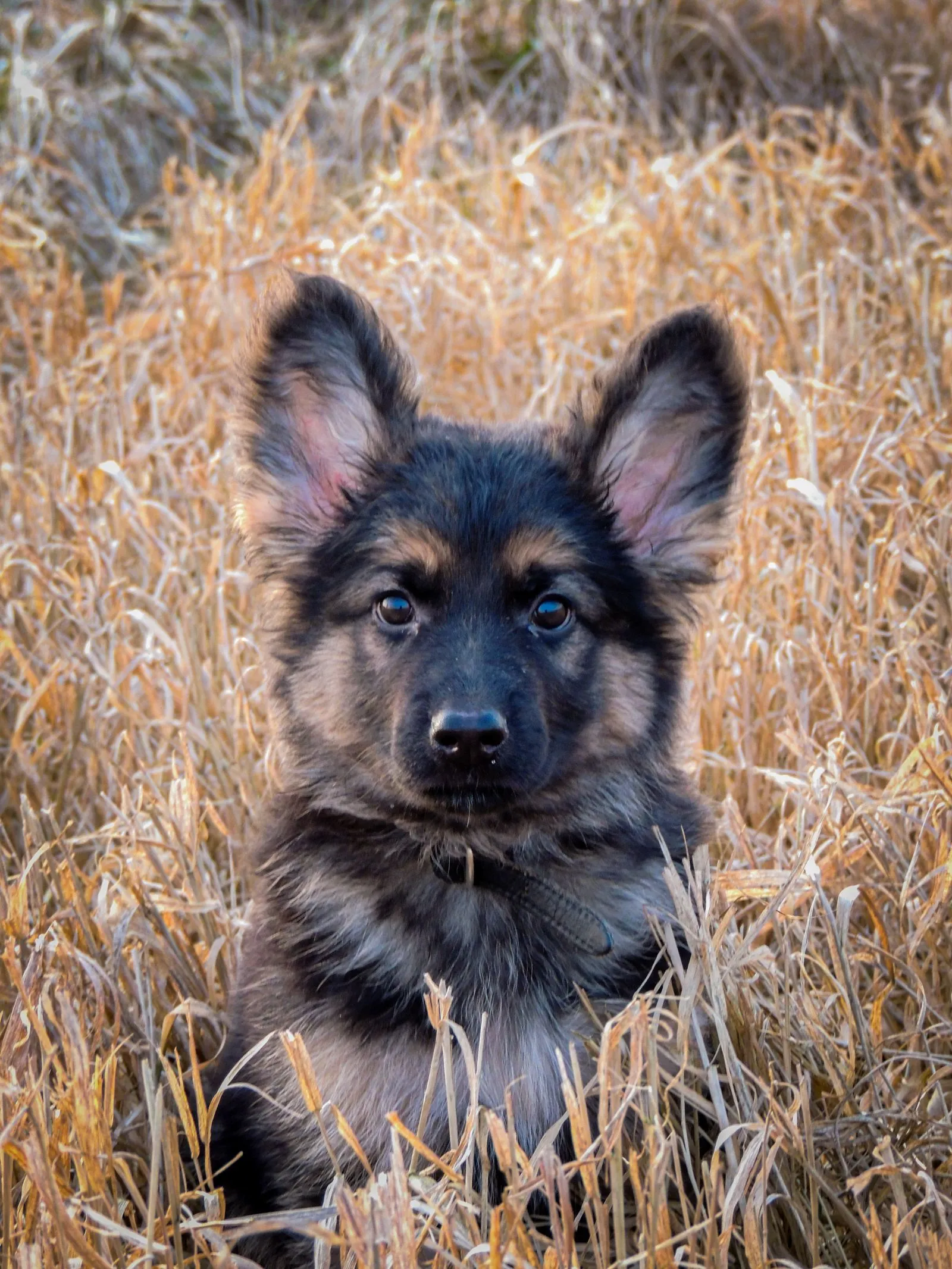
Vaccines, socializing and first training. Ask your vet for the schedule.
Photo credits
- Photo 1: bkaree1 (CC BY 2.0)
- Photo 2: Carl Adrian Barcelo (Pexels, free)
- Photo 3: Gundula Vogel (Pexels, free)
- Photo 4: Сергей ЮССтудия (Pexels, free)
- Photo 5: Inge Van den Heuvel (Pexels, free)
- Photo 6: Invisible Look (Pexels, free)
- Photo 7: Marian Havenga (Pexels, free)
- Photo 8: Borta (Pexels, free)
- Also on this page: Jakub Hałun (CC BY-SA 4.0)
- Also on this page: Julissa Pires (Pexels, free)
- Also on this page: Виктор Дмитрович (Pexels, free)
- Also on this page: Julissa Pires (Pexels, free)
- Also on this page: Luke Lawreszuk (Pexels, free)
- Life-stage photo (young): Mahmoud Yahyaoui (Pexels, free)
- Life-stage photo (senior): Kanashi (Pexels, free)
What Is a German Shepherd Like to Live With?
Breed registries describe the German Shepherd as courageous, confident, smart.
Good with children4.3/5 out of 5Good
German Shepherds are loyal and often protective of the children in their family. They score 4.3 out of 5, but their size and energy mean young kids need supervision around them.
Gets on with other dogs2.5/5 out of 5Mixed
A German Shepherd can be reserved or bossy with dogs it does not know. Many get along well with dogs they grew up with, so early and ongoing socialization matters.
Affectionate with family5/5 out of 5Very affectionate
They bond closely with their people and want to be part of everything the family does. A German Shepherd is devoted and loyal to its own household.
Friendly with strangers3.5/5 out of 5Friendly
Bred to guard and work, a German Shepherd is usually polite but reserved with new people. It tends to watch visitors first and warm up slowly rather than greet everyone at once.
Energy5/5 out of 5Very active
German Shepherds were bred to work all day herding and guarding. They have plenty of stamina and need a lot of daily exercise to stay calm and happy at home.
Playfulness4.5/5 out of 5Very playful
They are playful and enjoy games, especially fetch, tug and anything with a job attached. Many stay lively and keen to play well into adulthood.
Mental stimulation needs5/5 out of 5Very high
Intelligent working dogs that get bored without a task. A German Shepherd needs training, scent games and puzzles to keep its busy mind occupied.
Prey drive4/5 out of 5Strong
Herding and working dogs often chase moving things, and a German Shepherd can be quick to go after squirrels, cats or bikes. Keep it on a leash or in a fenced area.
Trainability5/5 out of 5Very quick to learn
Eager to learn and happy to work with a handler, so German Shepherds pick up commands fast. It is why they are so widely used as police, service and search dogs.
Adaptability5/5 out of 5Adapts easily
A German Shepherd copes well with new places, routines and jobs, as long as it gets exercise and time with its people. This is why they work in so many different roles.
Barking3/5 out of 5Barks sometimes
A German Shepherd will bark to warn you about people and noises, but it is not usually nonstop. Boredom and too little exercise can make barking worse.
Mouthiness5/5 out of 5Very mouthy
Bred to use their mouths for herding and holding, German Shepherds tend to nip, mouth and carry things, especially as puppies. Teach a firm drop it and offer plenty of chew toys.
Watchdog instinct5/5 out of 5Guards the home
Guarding is a core part of the breed's job. A German Shepherd is alert, watchful and protective of its home and family, and will let you know when someone is near.
Copes with being alone2/5 out of 5Short spells only
They bond closely with their people and can get bored, anxious or destructive when left for long stretches. Plan for company, exercise before you leave and gradual practice at being alone.
Good for first-time owners2/5 out of 5Hard for beginners
Smart and willing, but strong, energetic and protective. A German Shepherd needs consistent training and early socialization, so it can be a lot for a first-time owner.
Shedding4.7/5 out of 5A lot
A German Shepherd has a thick double coat and sheds heavily all year, with big coat changes in spring and fall. Expect hair on clothes, furniture and floors.
Suits apartment living3/5 out of 5Can work
Apartment living can work for a German Shepherd only if it gets lots of exercise outside. It is a large, active dog that is happier with more room, and its bark may carry in shared buildings.
Copes with heat3/5 out of 5Fair
The dense coat holds in warmth, so a German Shepherd is only fair in hot weather. Walk early or late on warm days and always give water and shade.
Copes with cold3.5/5 out of 5Good
The thick double coat gives some protection from cold, so German Shepherds cope with winter fairly well. Still, short-haired or older dogs may want a break from long spells outside.
Grooming needs1.7/5 out of 5Low
The dense double coat needs brushing more than once a week, but it does not need trimming or fancy care. A simple routine keeps it in good shape.
Drooling1.5/5 out of 5Drools a little
German Shepherds do not have loose, heavy lips, so they rarely drool. You may see a little after a big drink or when they smell food.
Scores run from 1 to 5 and are the average of several breed libraries. The dark tick on each bar is the average dog. Individual dogs vary.
Is a German Shepherd Right for You?
German Shepherd Compared With Similar Breeds
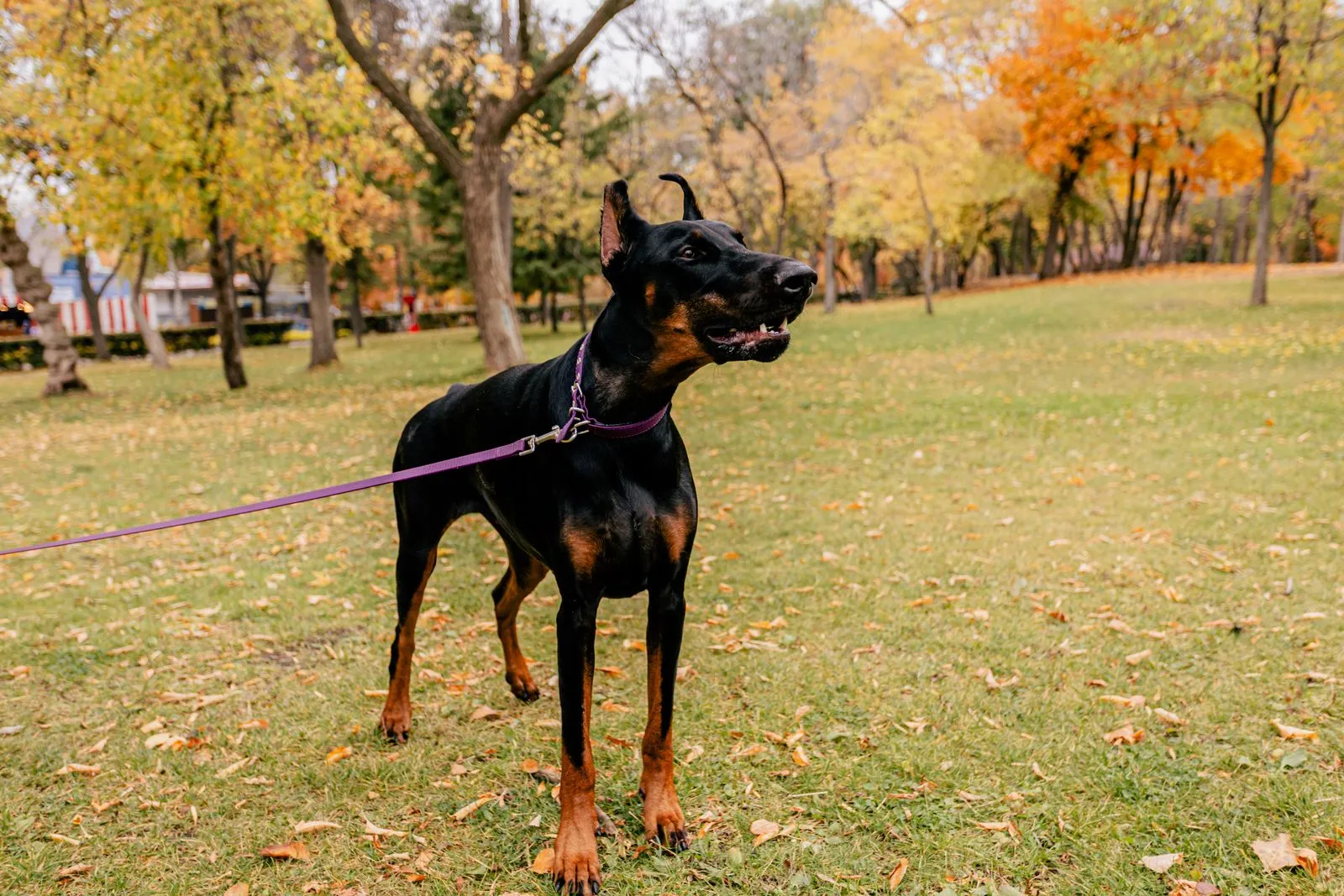
“Check first” means ask the breeder about it before you buy.
What Health Problems Do German Shepherds Get?
Ask for hip and elbow scores for both parents.
Joints are the big one for German Shepherds.
How Much Care Does a German Shepherd Need?
How Much Does a German Shepherd Cost?
A rough monthly cost for a German Shepherd
These are rough estimates. Your own costs will vary.
About $1,820 a year ($2,850 the first year, $1,030 of it to get started), roughly $22,900 over about 12 years.

Puppy price
Paid once, to a breederWhat the monthly figure covers
5 costs, about $152 a month
What the monthly figure covers
5 costs, about $152 a monthThese are rough estimates. Some costs come every month. Others come a few times a year, or only when something wears out, so we average them out into one monthly figure.
| Item | What it is | A month | How often |
|---|---|---|---|
 Food | Based on an adult weight of about 68 lb, eating mainstream dry food. | About $60 | Every month |
 Flea, tick and heartworm | One chew a month that covers all three, at full shop price. Vet or generic brands can cost less. | About $39 | Every month |
 Poo bags and shampoo | Waste bags, shampoo and other everyday supplies. | About $2 | Most months |
 Vet visits and shots | A yearly check-up and booster shots, plus the odd extra trip. | About $48 | Once or twice a year |
 Toys and chews | Replaced as they wear out. | About $3 | As needed |
Other costs to plan for
6 costs, not in the monthly figure
Other costs to plan for
6 costs, not in the monthly figureThese are not in the monthly figure. Not every owner has them, and they vary a lot from dog to dog.
| Item | What it is | Rough cost | How often |
|---|---|---|---|
 Pet insurance | If you insure your dog. The US average for an accident and illness plan. | About $70 a month | Every month |
 Grooming | German Shepherds have a coat that needs brushing more than once a week. Brush at home; many owners also book a groomer. | About $300 a year | A few times a year |
 Training classes | Puppy classes are popular. | About $200 in the first year | Mostly the first year |
 Boarding or a dog sitter | For when you travel without your dog. | About $53 a night | When you are away |
 Dog license | Many cities and counties ask for one. | About $15 a year | Once a year |
 Unexpected vet bills | An accident or illness. Insurance may cover some of it. | Varies a lot | Hard to predict |
Optional costs to consider
6 costs, only if you want or need them
Optional costs to consider
6 costs, only if you want or need themNice to have, or only if your dog needs them. Nothing here is in the monthly figure.
| Item | What it is | Rough cost |
|---|---|---|
| Professional teeth cleaning | Done under sedation at the vet. | About $390 |
 Dog walker or daycare | If you work long days. | Varies |
| Private training | One-to-one help with a hard habit. | Varies |
 Treats and chews | Training treats, dental chews. | Varies |
 Fence or dog-proofing | Gates, a fence, a car ramp or seat cover. | Varies |
 Hip or joint care | German Shepherds are prone to hip trouble. A hip operation is a major cost. Ask your vet for an estimate. | Only if needed |
What to Buy for a German Shepherd

Adults weigh 48–88 lb, so choose a food made for large breeds.
Look for
Made for large breedsAdults weigh 48–88 lb.
Complete and balancedCheck the label for your dog's life stage.
The right age groupPuppy, adult or senior.
Watch out for
Switching food too fastChange over 7 to 10 days.
Guessing portionsMeasure each meal and ask your vet about a healthy weight.
Treats adding upCount them as part of the day's food.
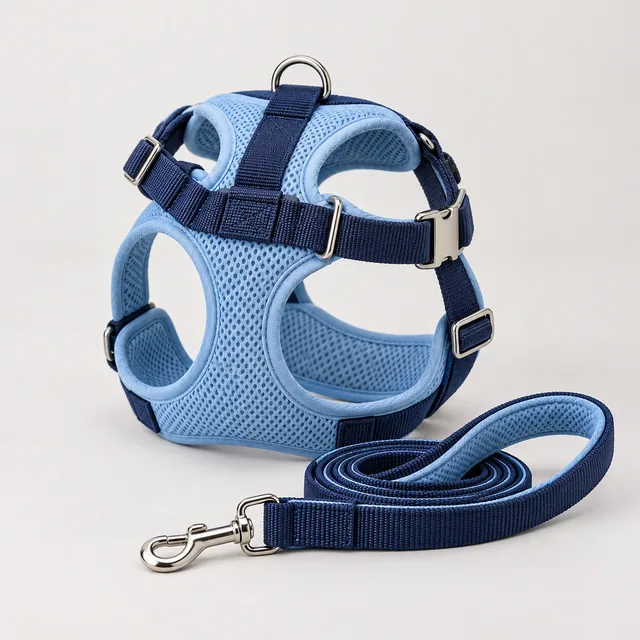
They need more than 2 hours of walks a day, so comfort matters.
Look for
Soft, breathable paddingComfortable for 2 hours or more of walking.
Adjustable strapsSo you can get a snug fit.
Reflective stripsUseful on early and late walks.
Watch out for
A tight fitYou should fit two fingers under the straps.
Relying on a front clipTraining still matters for pulling.
A puppy harness they outgrowPuppies grow fast. Check the fit often.

Big enough for a 48–88 lb adult to stand up and turn round.
Look for
Room to stand and turn roundFor a 48–88 lb adult.
Firm, supportive foamEasier on hips and elbows.
A removable coverOne you can take off and wash.
Watch out for
A puppy crate they outgrowA divider helps.
ChewingTake away anything they pull apart.
A soft bed that sagsFirm foam is easier on hips and elbows.

The coat needs brushing more than once a week.
Look for
A rubber grooming mittLifts loose hair from a short coat.
A rakeFor shedding season.
A comfortable handleOne that feels good in your hand.
Watch out for
Pressing hardUse light strokes.
Long sessions at firstKeep them short and calm, with treats.
Skipping weeksBrush more than once a week, every day when they shed heavily.
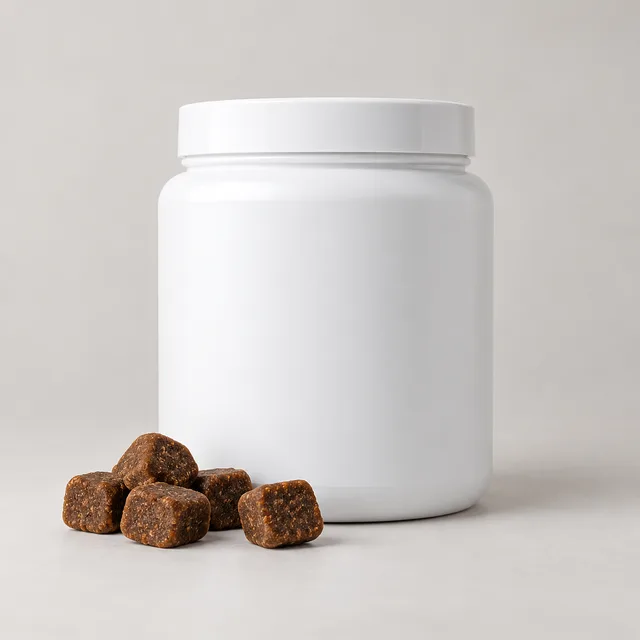
Hips and elbows are the main checks. Ask your vet first.
Look for
Your vet's adviceOn what, if anything, your dog needs.
A full ingredient listAnd a quality seal.
The label doseFor a 48–88 lb dog.
Watch out for
Joint-care claimsThe evidence is mixed.
Human supplementsNever give them unless your vet says so.
Buying before you askYour vet can say what, if anything, your dog needs.
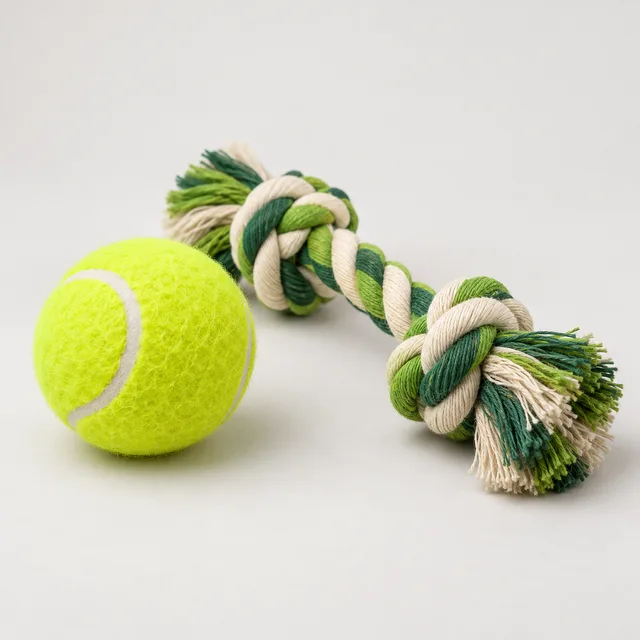
Bred to work all day, so chase and puzzle toys suit them.
Look for
Puzzle toysSomething to work out, not just chew.
The right sizeToo big to swallow.
A ball on a ropeFor chase games that end on cue.
Watch out for
Cracks and loose piecesThrow away worn toys.
Heavy chewingSoft toys will not last.
The same toy every dayKeep a few and swap them over to keep things interesting.
Where to Find a German Shepherd Puppy or Rescue
German Shepherds: breeders, rescues and shelters
Find breeders near you
German Shepherd breeders can list with Vet Your Pet, state by state. We have not checked these listings. For now, start with the parent club, the first stop for breeder referrals.
Listed breeders (not checked) near these cities name this breed:
- Tampa (18)
- Fort Worth (14)
- Dallas (13)
- Chicago (13)
- Colorado Springs (10)
- Denver (9)
- Austin (9)
- Richmond (9)
- Charlotte (7)
- Indianapolis (7)
- Atlanta (7)
- San Antonio (6)
- Philadelphia (5)
- Cincinnati (5)
- Nashville (4)
- Portland (3)
- Tucson (2)
- El Paso (2)
- Las Vegas (1)
- Houston (1)
Rescue listings
German Shepherd rescues are not listed on Vet Your Pet yet. Many German Shepherds reach general shelters, so it is worth asking at your local one.
Shelter listings
Shelters are not listed on Vet Your Pet yet. General shelters do take in German Shepherds: call ahead and ask.
Across the 10 US cities we have shelter data for, 79.0% of dogs left the shelter alive.
Why ask?Hip and elbow problems are common in big dogs and can mean pain and surgery later. Ask for OFA or PennHIP results, done at 24 months or older. Results can be looked up on the OFA website. The breed median hip score is 11 (9,724 dogs scored), so you can see how a parent compares.
Why ask?German Shepherds can inherit eye disease. The eye exam should be recent and done by a veterinary eye specialist. A vet’s certificate is the proof, so ask to see it.
Why ask?A DNA test finds hidden genes for inherited disease, even in a parent that looks healthy. Tests listed for the German Shepherd include degenerative myelopathy, temperament test, canine scott syndrome and chondrodysplasia. Ask which were done and see the lab results.
Why ask?How pups are raised matters. Meeting the mother and seeing their home shows whether the dogs are healthy, calm and well cared for.
Why ask?A contract puts the promises in writing: the health guarantee, what happens if a problem shows up, and what you each agree to.
Why ask?Many responsible breeders write a lifetime return clause into the contract, so a dog never ends up in a shelter. Ask to see it in writing, and ask if there are any limits.

Why it is a red flagHealth tests are the only proof the parents were checked. A breeder who hides them may be hiding problems that show up in the puppy later.
Why it is a red flagCareful breeders plan a few litters and keep a waiting list. Puppies always on hand usually means breeding for volume, with less care over health and temperament.
Why it is a red flagA good breeder lets you think, meet the dogs and read the contract first. Pressure to pay now is a common scam tactic.
Why it is a red flagYou should see where the pups were born and meet the mother. A parking lot or a puppy shipped unseen can hide poor conditions, or a scam.
Why it is a red flagPups learn bite control and social skills from their mother and littermates until about 8 weeks. Leaving earlier is linked to behavior and health problems.
Why it is a red flagColor does not change health or temperament, and the German Shepherd standard lists only bi-color, black, black & gold, black & tan, dark sable, gold sable, gray, gray sable and sable. A “rare” price can mean a crossbreed or a breeder chasing profit.
What Are the Best-Known German Shepherd Mixes?
The German Shepherd Story
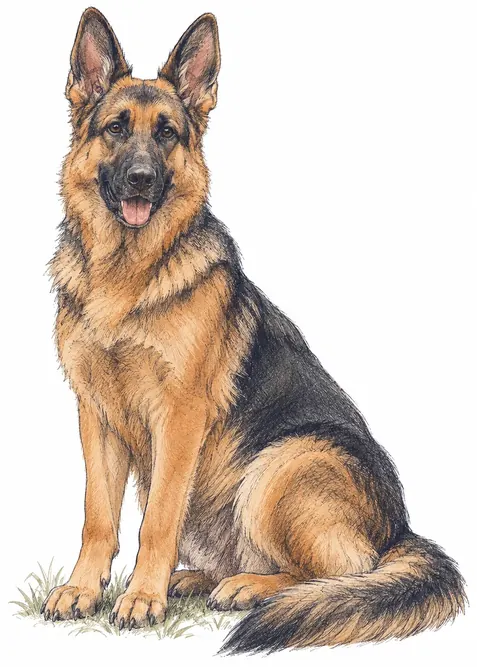 The German Shepherd
A herding and working dog from Germany.
Captain Max von Stephanitz began building the breed in Germany in 1899, using local herding dogs. He wanted a working dog and cared more about intelligence and ability than looks. Police, army and service work soon followed, and the breed spread around the world.
- 1899The breed club begins
Max von Stephanitz buys a dog called Hektor, renames him Horand and founds the first German Shepherd club. Horand is its first registered dog.
- 1908AKC recognizes it
Recognized by the American Kennel Club in 1908.
- 1914–18War work
In the First World War the German army uses the breed to carry messages, stand guard and find wounded soldiers.
- 1918Rin Tin Tin
US soldier Lee Duncan finds a puppy in a battle-damaged kennel in France. Rin Tin Tin goes on to star in Hollywood films in the 1920s.
- 1928First Seeing Eye dog
Morris Frank, a blind American, returns from Switzerland with a German Shepherd guide dog named Buddy. The first US guide-dog school opens in 1929.
- 1977Name restored in the UK
After the First World War Britain called the breed Alsatian. In 1977 the UK Kennel Club makes German Shepherd Dog the main name again.
- TodayStill popular
Ranked #4 in the US.




Famous German Shepherds






Popular names
In other languages
German Shepherd Questions
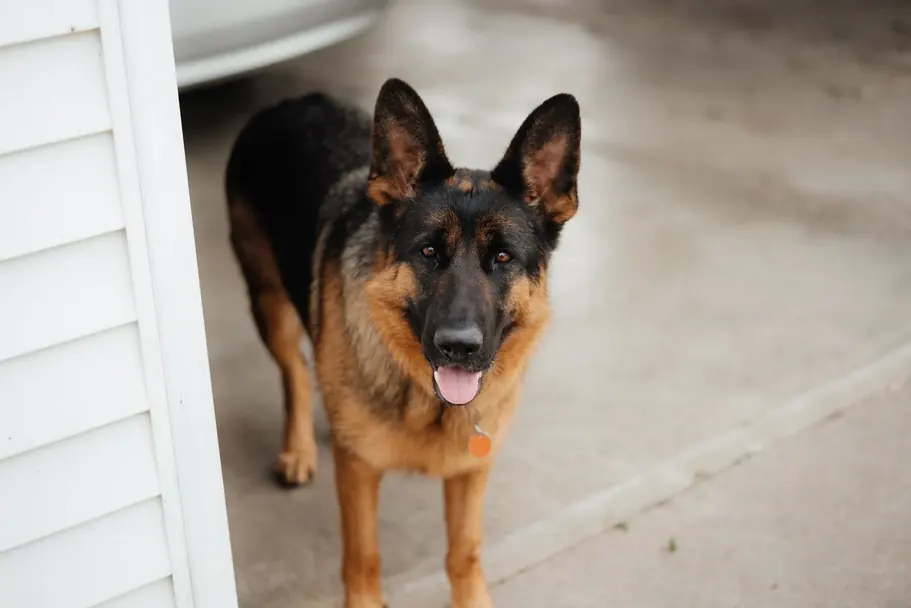
Most asked: 6 of 12 questions
German Shepherds live about 12 years on average. Large dogs tend to have shorter lives than small ones, and joint problems are common in the breed. Keeping a healthy weight, staying up to date on vet visits and buying from a breeder who health-tests the parents all help. See the health section for what vets watch for.
See health in detailBlack and tan is the classic color, but German Shepherds also come in sable, solid black, bicolor and white. The AKC standard disqualifies white dogs from the show ring and counts pale, blue and liver coats as faults there, though these dogs can still be good pets. Coat color alone does not predict temperament, so ask the breeder about the parents.
See size and colorsOften, yes. German Shepherds are loyal and protective of the children in their family, and the libraries we checked score them 4.3 out of 5 with kids. They are big, strong and high-energy, so young children need supervision around them, and the dog needs early socialization and training.
Is a German Shepherd right for you?A puppy from a breeder costs about $900 to $3,000 (rough asking prices), then about $152 a month to keep, or $1,820 a year. Over about 12 years that comes to roughly $22,900. Food and vet care are the big costs for a large dog, and very low prices can mean health tests were skipped.
See the full costYes, a lot. German Shepherds have a thick double coat that sheds all year, with heavy coat changes in spring and fall. Both short and long coats shed. Brush more than once a week, and daily when the coat is blowing. A strong vacuum and a regular cleaning routine help.
See careNot by nature. German Shepherds are confident, loyal and protective, and they were bred to guard, so one that is poorly socialized or untrained can turn wary or reactive. Bite risk depends on the individual dog, its breeding, training and supervision, not the breed label. Start socialization and positive training early, and ask a vet or trainer if you see warning signs.
See temperamentMost reach their adult height by about 18 months and keep filling out until about 2 years. Adults stand 22–26 in tall and weigh 48–88 lb, with males bigger than females. Puppies mature at different rates, so a dog a little ahead or behind is normal. Ask your vet if you are unsure your dog is on track.
See size and colorsYes. German Shepherds are eager to learn and happy to work with a handler, and the libraries we checked score trainability 5 out of 5. That is why they work as police, service and search dogs. They still need early, consistent training and socialization, so they can be a lot for a first-time owner.
See temperamentGerman Shepherds were bred in Germany to herd sheep, and GSD stands for German Shepherd Dog. In 1899 Captain Max von Stephanitz built the breed from local herding dogs, caring more about intelligence and ability than looks. Police, army and service work soon followed, and that working past is why they want a job today.
Read the historySometimes, but not by default. German Shepherds have a high prey drive and can be quick to chase cats, squirrels and bikes. Dogs raised with a cat from puppyhood often get along with it, but adult introductions need care. Keep the dog leashed or fenced outdoors, and give the cat high places to escape.
See temperamentNo. German Shepherds shed heavily, so they are not a good pick for anyone with a dog allergy. No dog is truly allergy-free, because the allergens are in saliva and skin flakes as well as hair. If someone at home has allergies, spend time with the breed first.
See careJoint problems are the big group: hip joint problems are recorded in about 1 in 12 German Shepherds and elbow problems in about 1 in 6. Ask the breeder for hip and elbow scores for both parents, and ask your vet which checks suit your dog. Skin allergies and arthritis are also seen more often than in other breeds.
See health in detailNo question matchesTry another word, or look in the page sections above.
Where Our German Shepherd Facts Come From
A vet will review this page. Their name will appear here once they have checked it.
Health information here is general and does not replace a visit to your own vet.
Showing 8 of 36 sources · 9 with an open license
Cite only (© American Kennel Club). We quote facts and link back. We don’t copy their text. Published (date not shown, read in 2026). We used it in Quick answers.
Open the sourceCite only (© The Royal Kennel Club). We quote facts and link back. We don’t copy their text. Published (date not shown, read in 2026). We used it in Quick answers.
Open the sourceCite only (© FCI / country of origin). We quote facts and link back. We don’t copy their text. Published (date not shown, read in 2026). We used it in Quick answers.
Open the sourceOpen license (CC BY 4.0). Free to reuse with credit. Published in 2013. We used it in Quick answers and History.
Open the sourceCite only (© The Royal Kennel Club). We quote facts and link back. We don’t copy their text. Published (date not shown, read in 2026). We used it in Quick answers and History.
Open the sourceCite only (American Kennel Club). We quote facts and link back. We don’t copy their text. Published in 2026. We used it in Quick answers and History.
Open the sourceCite only (© AKC). We quote facts and link back. We don’t copy their text. Published (date not shown, read in 2026). We used it in Quick answers.
Open the sourceOpen license (CC BY 4.0). Free to reuse with credit. Published in 2024. We used it in Quick answers.
Open the sourceOpen license (CC BY 4.0). Free to reuse with credit. Published in 2020. We used it in Temperament.
Open the sourceOpen license (CC BY 4.0). Free to reuse with credit. Published in 2021. We used it in Health.
Open the sourceCite only (BVA copyright). We quote facts and link back. We don’t copy their text. Published in 2025. We used it in Health and Finding a puppy.
Open the sourceCite only (© The Royal Kennel Club). We quote facts and link back. We don’t copy their text. Published in 2026. We used it in Health.
Open the sourceCite only (OMIA). We quote facts and link back. We don’t copy their text. Published (date not shown, read in 2026). We used it in Health.
Open the sourceCite only (© The Royal Kennel Club). We quote facts and link back. We don’t copy their text. Published (date not shown, read in 2026). We used it in Health and Finding a puppy.
Open the sourceOpen license (CC BY). Free to reuse with credit. Published in 2021. We used it in Health.
Open the sourceOpen license (CC BY). Free to reuse with credit. Published in 2025. We used it in Health.
Open the sourceOpen license (CC BY). Free to reuse with credit. Published in 2025. We used it in Health.
Open the sourceOpen license (CC BY 4.0). Free to reuse with credit. Published in 2017. We used it in Health.
Open the sourceCite only (© ASPCA). We quote facts and link back. We don’t copy their text. Published in 2021. We used it in Cost.
Open the sourceCite only (© NAPHIA). We quote facts and link back. We don’t copy their text. Published in 2026. We used it in Cost.
Open the sourceCite only (Breed parent club website). We quote facts and link back. We don’t copy their text. Published (date not shown, read in 2026). We used it in Finding a puppy.
Open the sourceCite only (© American Kennel Club). We quote facts and link back. We don’t copy their text. Published (date not shown, read in 2026). We used it in Finding a puppy.
Open the sourceOpen license (CC0). Free to reuse with credit. Published (date not shown, read in 2026). We used it in History.
Open the sourceCite only (© AVMA). We quote facts and link back. We don’t copy their text. Published in 2024. We used it in Cost.
Open the sourceCite only (© Petfood Industry). We quote facts and link back. We don’t copy their text. Published in 2026. We used it in Cost.
Open the sourceCite only (© AAHA). We quote facts and link back. We don’t copy their text. Published in 2021. We used it in Cost.
Open the sourceCite only (© Wag Labs). We quote facts and link back. We don’t copy their text. Published in 2026. We used it in Cost.
Open the sourceCite only (© Rover). We quote facts and link back. We don’t copy their text. Published in 2024. We used it in Cost.
Open the sourceCite only (© CareCredit). We quote facts and link back. We don’t copy their text. Published in 2025. We used it in Cost.
Open the sourceCite only (retail prices, read in Nov 2026). We quote facts and link back. We don’t copy their text. Prices read in 2026. We used it in Cost.
Open the sourceCite only (© City of Seattle). We quote facts and link back. We don’t copy their text. Read in 2026. We used it in Cost.
Open the sourceCite only (© Clatsop County). We quote facts and link back. We don’t copy their text. Read in 2026. We used it in Cost.
Open the sourceCite only (© City and County of Denver). We quote facts and link back. We don’t copy their text. Read in 2026. We used it in Cost.
Open the sourceCite only (© Maricopa County). We quote facts and link back. We don’t copy their text. Read in 2026. We used it in Cost.
Open the sourceCite only (© City of Austin). We quote facts and link back. We don’t copy their text. Read in 2026. We used it in Cost.
Open the sourceCite only (© Miami-Dade County). We quote facts and link back. We don’t copy their text. Read in 2026. We used it in Cost.
Open the sourcePhoto credits are listed under Photos.